



Federal Immunity Could Shape Houston ICE Shooting Case
A Harris County grand jury is reviewing evidence surrounding the fatal shooting of Lorenzo Salgado Araujo by a U.S. Immigration and Customs Enforcement agent in east Houston, raising an important legal question: What happens if local prosecutors seek charges against a federal officer?
ABC13 recently spoke with former federal prosecutor Michael Wynne about the unusual legal issues that could arise if the grand jury returns an indictment.
The July 7 shooting occurred during an ICE enforcement operation on Canal Street. According to the Department of Homeland Security, Salgado Araujo used his van as a weapon during the encounter. DHS later acknowledged that he was not the person agents had originally targeted.
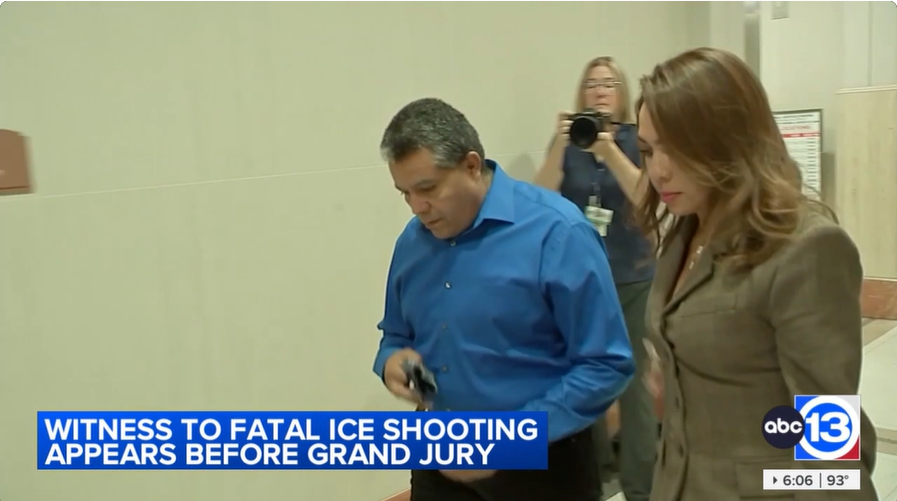
One of the people who was inside the van at the time of the shooting appeared before the Harris County grand jury this week. Because grand jury proceedings are confidential, the evidence being presented and the direction of the investigation are not publicly known.
A State Indictment Would Not Necessarily Keep the Case in State Court
Even if a Harris County grand jury indicts the ICE agent, the case could quickly move into the federal court system.
As Wynne explained to ABC13:
“Even if a state indictment is returned, under federal law, a federal agent acting in the course of his duties, which this individual unquestionably was, is entitled to remove the case to federal court.”
Click here to watch entire story on ABC13
Federal law allows certain criminal proceedings against federal officers to be transferred from state court to federal court when the alleged conduct occurred in connection with their federal duties.
That could substantially change how the case proceeds.
Supremacy Clause Immunity Could Become a Central Issue
Moving the case to federal court is only one potential development. The agent could also assert what is commonly referred to as Supremacy Clause immunity.
The doctrine can protect federal officers from state prosecution when their actions were undertaken as part of their federal responsibilities and met the legal standards required for immunity.
Wynne explained that if the agent was acting within the scope of federal employment and the agent’s belief that the conduct was necessary was objectively reasonable, a federal judge could dismiss the prosecution under Supremacy Clause immunity.
That means an indictment would not necessarily determine whether the case ultimately proceeds to trial.
Witness Testimony May Be Critical
The people who were inside the van could provide important evidence about what occurred immediately before the shooting. Publicly available video showing the entire encounter has not emerged, making eyewitness testimony potentially significant to investigators and the grand jury.
Harris County District Attorney Sean Teare has said his office is conducting an independent investigation into the shooting.
For now, the grand jury process continues behind closed doors. If an indictment is returned, however, the case could move from a local criminal investigation into a much more complicated dispute involving the relationship between state criminal law and federal authority.
Michael Wynne is a former federal prosecutor and Houston criminal defense attorney who represents individuals facing serious state and federal criminal investigations and charges.